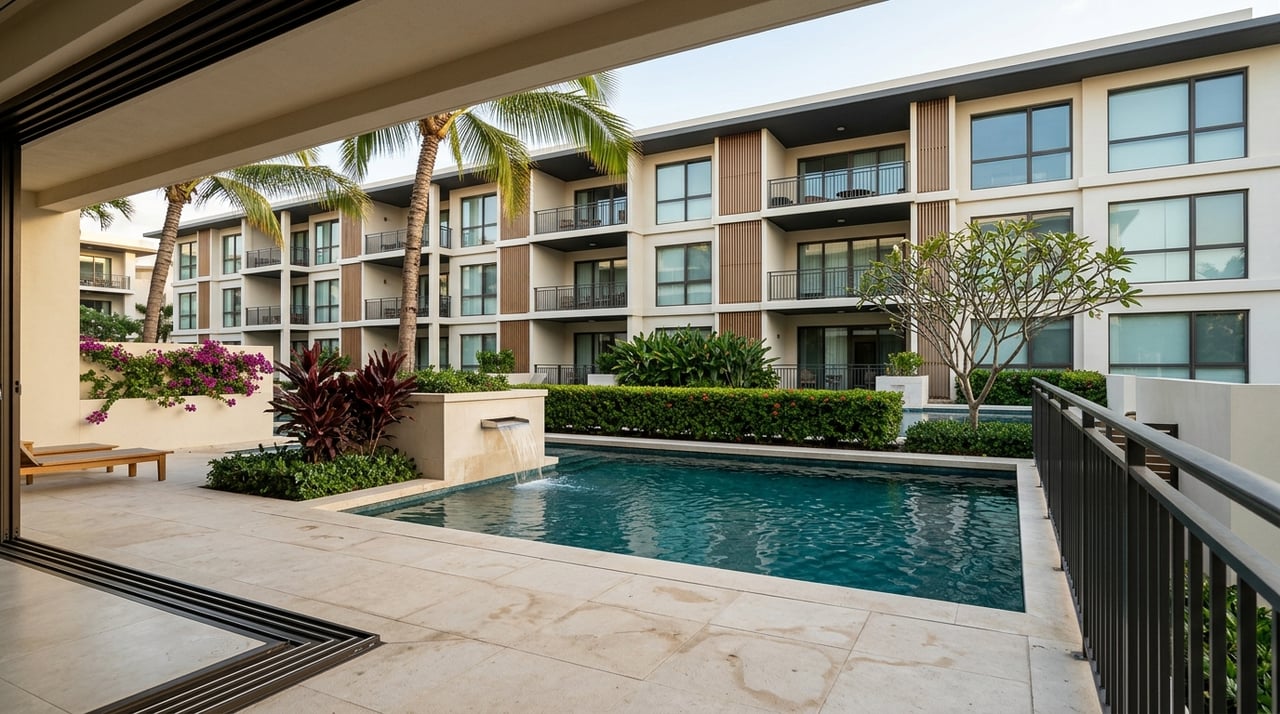
If you want a Maui getaway that feels easy to enjoy, easy to return to, and deeply tied to place, Lahaina still stands out. Second-home buyers are often looking for more than ocean views. You want convenience, comfort, and confidence that your time on island will feel worth the trip every time you arrive. In Lahaina, that resort lifestyle is still here, now shaped by a more thoughtful, community-minded recovery. Let’s dive in.
Why Lahaina Still Appeals
Lahaina remains one of West Maui’s best-known resort areas, and its draw is still clear. You have beach access, established resort zones, dining, shopping, and the kind of infrastructure that makes part-time ownership feel practical. For many second-home owners, that mix supports a true lock-and-leave lifestyle.
At the same time, Lahaina is in active recovery. Official Maui tourism guidance notes that major cleanup has been completed and many businesses have reopened, while parts of the town remain restricted and visitors are asked to be respectful, especially around fire-impacted areas. That means buying here is not just about resort living. It is also about understanding the current moment and showing up with care.
What Resort Living Feels Like
For a second-home owner, daily life in Lahaina and the surrounding West Maui resort areas is built around access and ease. You can fly into Kahului Airport, head west by car or shuttle, and settle into a home base that puts beaches, restaurants, and resort amenities close at hand. That setup works well for winter stays, family visits, and shorter trips spread throughout the year.
This is not urban living, and that is part of the appeal. Your day is more likely to revolve around the beach, the pool, golf, ocean views, or a relaxed dinner near the water than around dense city blocks or nightlife. If that rhythm matches how you want to use a second home, Lahaina makes sense.
Kaanapali Adds Everyday Convenience
Kāʻanapali Beach is one of the clearest examples of West Maui resort living. The area offers about three miles of white sand, hotel and condominium communities, snorkeling at Black Rock, nearby shopping at Whalers Village, and two championship golf courses. It was also Hawaiʻi’s first planned resort, which helps explain why it feels so functional for part-time owners.
That planning matters when you own from afar. In practical terms, it means many of the things you want during a stay are already built into the area. Beach time, dining, shopping, and resort services can all stay close to home, which helps make each trip simple and relaxing.
Kapalua Offers a Quieter Resort Setting
If you prefer a more secluded feel, Kapalua offers a different version of the same lifestyle. State tourism information describes it as one of Maui’s premier resort areas, with five bays, three white-sand beaches, notable resort properties, restaurants, shops, historic sites, and two golf courses. It tends to feel quieter and more spread out than Kāʻanapali.
For some second-home buyers, that is exactly the point. You may want resort polish without being in the center of activity every day. In that case, Kapalua can offer a more private landing place while still keeping you connected to West Maui’s broader lifestyle offerings.
Beaches Shape Your Routine
In Lahaina, beach access is not just a weekend bonus. It often shapes how you spend your mornings, afternoons, and evenings while you are in residence. That is one reason second-home ownership here feels so lifestyle-driven.
For lower-key days, official tourism guidance highlights D.T. Fleming Beach Park for amenities like picnic tables, restrooms, and lifeguards. Launiupoko Beach Park, just south of Lahaina, is also noted for its natural pool and calmer setting. These options matter because they give you different ways to enjoy the coastline depending on your plans and comfort level.
Ocean conditions are also a real part of daily life in West Maui. If you own here, it helps to treat beach safety and changing conditions as part of the routine, not an afterthought. That practical mindset is part of enjoying the island well.
Dining and Shopping Stay Close
One of the easiest parts of resort ownership in West Maui is access to dining and shopping. Whalers Village, in the heart of Kāʻanapali, is an open-air beachfront center with more than 90 stores and restaurants. For many owners, that creates a convenient home base for casual meals, errands, and easy evenings out.
The surrounding dining scene reinforces that resort rhythm. Official listings include options like Leilani’s On The Beach in Whalers Village, Son’z Steakhouse at Hyatt Regency Maui, Taverna at Kapalua Golf Course, and Māla Ocean Tavern in Lahaina. Together, they reflect a lifestyle centered on oceanfront meals, hotel dining, and upscale resort experiences.
Transportation Is Manageable
Getting to and from West Maui is fairly straightforward, even though island life is still car-oriented. Kahului Airport is the primary airport for Maui, and official airport guidance directs Lahaina-bound travelers via Honoapiʻilani Highway and Kuihelani Highway. The airport also lists shuttle service to lodging areas in Lahaina, Kāʻanapali, Napili, and nearby resort districts.
Maui Bus also serves the region through routes like Lahaina Villager and West Maui Express, along with commuter connections between Kapalua and other parts of the island. For most second-home owners, a car will still be the most practical choice during a stay. Still, these transportation options add flexibility, especially for guests and family members.
Recovery Matters to Ownership
Lahaina’s appeal today comes with context. The area is moving forward, but Maui County’s Office of Recovery remains active in Lahaina, which reflects an ongoing rebuilding phase. As an owner, that means you should expect a market and community that are still evolving.
That does not erase the area’s appeal. It simply changes the tone of ownership. Buyers who fit Lahaina well right now tend to be people who appreciate the resort setting while also respecting the community’s recovery and the realities of place.
A useful example is Lahaina Small Boat Harbor. Limited commercial boat operations resumed on December 15, 2025, with daytime-only operations and other restrictions. That tells you ocean-related amenities are returning in phases, which is encouraging, but still measured.
Rental Plans Require Extra Care
If your second-home plan includes rental income, you need to look closely at use, permitting, and tax obligations. Maui County states that vacation-rental activity is handled through permit pathways such as bed-and-breakfast, transient vacation rental, and short-term rental home applications. County guidance also says transient vacation rentals outside the hotel district are generally prohibited unless a permit or conditional permit applies.
That makes property type and location especially important. A beautiful condo or villa is not automatically suitable for the kind of rental use you may have in mind. If rental flexibility matters to you, it is worth focusing your search on properties and areas that align with current county rules.
There are tax responsibilities as well. The Hawaiʻi Department of Taxation says short-term rentals under 180 consecutive days are subject to the general excise tax and transient accommodations tax, and owners remain responsible even if a property manager collects rent. Effective January 1, 2026, Hawaiʻi’s transient accommodations tax increased to 11% for hotels and vacation rentals under the climate-impact fee structure.
Utility Stability Is Improving
Second-home owners also care about the basics: water, access, and dependable infrastructure. Maui County lifted the West Maui Stage 2 water shortage on March 16, 2026, while noting that crews are still monitoring and repairing storm-related infrastructure. That is a positive sign, but it also reflects the importance of staying aware of local conditions.
For buyers, this is part of the bigger picture of resilience. Resort living can feel effortless when everything is working smoothly, but smart ownership means paying attention to the systems that support that ease. In West Maui, that awareness is part of buying well.
History Gives Lahaina Depth
Lahaina is not only a resort setting. It is also a place with deep historical weight. The National Park Service identifies the Lahaina Historic District as the capital of the Kingdom of Hawaiʻi from 1820 to 1845 and a major whaling port, while the Lahaina Historic Trail reflects Hawaiian, missionary, Chinese, and Japanese layers of history.
That history adds depth to ownership. If you are choosing a second home here, the experience is richer when you understand that Lahaina is more than a scenic backdrop. It is a place where culture, history, and present-day recovery all shape what it means to belong responsibly.
Who Lahaina Fits Best
Lahaina resort living tends to work best for buyers who want a second home that feels both convenient and meaningful. You may be looking for a place to spend winters, host family, enjoy golf and ocean time, and step into a polished resort environment without a lot of friction. You may also value a location that still feels connected to Maui’s history and local identity.
It can also suit buyers who are considering hotel-zoned or vacation-rental-oriented opportunities, but only when those plans are grounded in the right property type and current rules. In this market, clarity matters. The best fit usually comes from matching your lifestyle goals with how you realistically plan to use the property.
If you are exploring second-home options in Lahaina, Kāʻanapali, or Kapalua, local guidance can make the process much clearer. Matt Talbot brings a concierge-style approach to West Maui resort real estate, with practical insight into lifestyle fit, property types, and the details that matter when you are buying from near or far.
FAQs
What is Lahaina resort living like for second-home owners?
- Lahaina offers a resort-oriented lifestyle built around beach access, nearby dining, shopping, golf, and convenient access to West Maui’s major resort areas, all within a community that is still moving through recovery.
Is Lahaina a good fit for a lock-and-leave second home?
- It can be, especially if you want a part-time home base in a resort setting with airport access, shuttle options, and amenities close by in areas like Kāʻanapali and Kapalua.
Can you use a second home in Lahaina as a vacation rental?
- Possibly, but Maui County says vacation-rental use depends on permit pathways and location, and transient vacation rentals outside the hotel district are generally prohibited unless a permit or conditional permit applies.
What taxes apply to short-term rentals in Maui?
- The Hawaiʻi Department of Taxation says short-term rentals under 180 consecutive days are subject to general excise tax and transient accommodations tax, and as of January 1, 2026, the transient accommodations tax rate increased to 11%.
What beach and resort areas are near Lahaina?
- Nearby resort and beach areas include Kāʻanapali, known for its long beach, snorkeling, shopping, and golf, and Kapalua, known for its bays, beaches, golf, dining, and quieter resort setting.
Is Lahaina fully recovered after the 2023 fires?
- No, official guidance indicates Lahaina is still in active recovery, with major cleanup completed and many businesses reopened, while some areas remain restricted and rebuilding efforts continue.