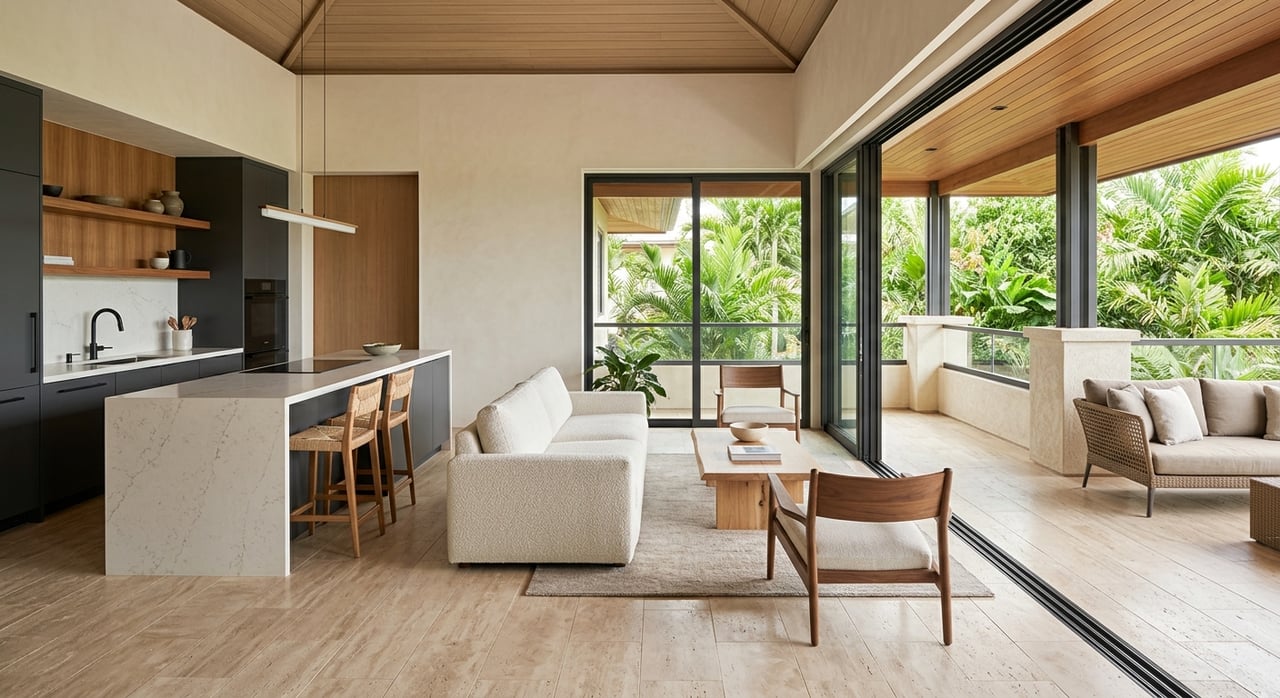
If you own a condo in Kaanapali, you are not just competing with other vacation rentals. You are competing with a full resort experience in one of Maui’s best-known visitor areas. That can feel like a lot to manage, but it also creates real opportunity when your condo is positioned the right way. In this guide, you’ll learn what matters most for vacation-rental success in Kaanapali, from legal considerations to guest-facing features and smarter marketing. Let’s dive in.
Why Kaanapali Rentals Compete Differently
Kaanapali is a mature resort corridor, not a typical apartment rental market. The Kaanapali Beach Resort Association describes it as a three-mile beach destination with 11 hotels and condominiums, two golf courses, and two shopping centers. For you as an owner, that means guests are comparing your condo to an experience that includes beach access, dining, activities, and walkable amenities.
That resort context shapes how travelers shop. Your condo is rarely judged on square footage alone. It is judged on how well it delivers a stay that feels easy, polished, and connected to the Kaanapali lifestyle.
Visitor demand also remains meaningful on Maui. Hawaii Tourism Authority preliminary figures show Maui welcomed 2,516,163 visitors in 2025, with $5.97 billion in visitor spending. That level of demand supports the market, but it also raises the bar for presentation, trust, and day-to-day execution.
Start With Legal Positioning
Before you think about furniture, photos, or nightly rates, make sure the condo can legally support your rental goals. On Maui, a transient vacation rental is a rental of less than 180 days. Maui County states that hotel districts are intended for short-term rentals, while residential districts are intended for long-term housing.
This distinction matters in Kaanapali because not every condo can be rented short-term simply because it is in a resort area. Legal use depends on zoning, permit history, and whether the unit falls under hotel-district use, a valid conditional permit, or another lawful exception. If you are buying or repositioning a condo, this is one of the first issues to confirm.
A major recent change is Ordinance 5909, which took effect on December 15, 2025. Under this ordinance, apartment-district transient vacation rentals in the West Maui community plan area may continue through December 31, 2028, and must cease on January 1, 2029. That phase-out timeline is one of the most important details for any Kaanapali owner or buyer reviewing rental potential.
For investors, this means the phrase vacation-rental ready should never be treated as a casual marketing label. It should be backed by a careful review of zoning and legal use. In a market like Kaanapali, clarity here protects both your income strategy and your resale value.
Understand Taxes and Compliance
Even when a condo is legally allowed to operate short-term, compliance does not stop there. The Hawaii Department of Taxation says short-term rental operators must register for GET and TAT, file periodic and annual returns, and pay both taxes on short-term rental proceeds. Maui County also imposes a 3% countywide MCTAT.
The state also says operators must hold state registration, and short-term rental ads must display the TAT license number. Just as important, owners remain responsible for compliance even if a property manager collects the rent. If you are an absentee owner, that is a strong reason to treat operations as a serious business function, not a passive side project.
What Guests Expect in Kaanapali
In Kaanapali, guests are not only booking a place to sleep. They are booking convenience, comfort, and access to a resort-style stay. The Kaanapali resort area is known for beach access, dining, activities, shopping, and mobility features like the complimentary trolley, so your condo should support that experience.
Broad traveler search behavior offers a strong starting point. Airbnb says guests most often search for pool, wifi, free parking, kitchen, hot tub, air conditioning, washer or dryer, and self check-in. In a destination like Kaanapali, those are not just nice extras. They are often the baseline filters that determine whether your listing even makes the first cut.
Focus on Outdoor Appeal
Outdoor living carries extra weight in a resort market. Vrbo research from Expedia Group says 42% of travelers book vacation homes with outdoor amenities they cannot easily have at home or want to try before buying. Nearly 30% would choose a vacation home with outdoor amenities so they never have to leave the property.
That matters in Kaanapali, where the setting itself is part of the product. If your condo has a lanai, ocean view, pool access, grill area, or a pleasant spot to enjoy morning coffee or sunset, those features deserve a central role in how the property is positioned. Outdoor value is not a side note here. It is often part of the booking decision.
Create a Vacation-Suite Feel
The most competitive Kaanapali condos tend to feel more like well-run vacation suites than generic apartments. Travelers often look for home-like conveniences, especially kitchens, usable living space, and practical sleeping arrangements. A layout that feels intuitive is easier to market and easier for guests to enjoy.
You do not need a flashy redesign to make that happen. What usually helps most is a clean flow, clear sleeping zones, comfortable dining or lounging space, and a kitchen that looks functional and guest-ready. In a destination that attracts both couples and families, flexibility can expand your audience.
Choose Finishes That Hold Up
Durability matters in a high-turnover resort setting. Finishes and furnishings should look bright, clean, and easy to maintain rather than overly styled. Guests respond best to listings that feel authentic and current, and worn finishes can quietly lower perceived value in photos and in person.
That makes practical materials a smart choice. Surfaces that clean well, furniture that withstands repeated use, and decor that photographs clearly can all support stronger long-term presentation. In Kaanapali, polished simplicity often outperforms cluttered design.
Reduce Guest Friction
Small convenience details can make a big difference in reviews and repeat bookings. Guests want to know where to park, how to arrive, what amenities are shared, and how the condo fits into the rhythm of a beach day. The easier you make the stay, the stronger your listing position becomes.
Useful examples include:
- Clear parking instructions
- Straightforward arrival and self check-in details
- Beach gear or beach-ready storage
- Easy-to-find information about pool and shared amenities
- Practical kitchen tools for short stays
- Washer and dryer access when available
In Kaanapali, the goal is to help guests move smoothly from beach to pool to dinner without confusion. That sense of ease supports both satisfaction and stronger reviews.
Photos Can Make or Break Bookings
Photos are one of the most important parts of your listing. Airbnb says guests tend to prioritize photos, description, guest reviews, amenities, and pricing when deciding whether to book. Expedia adds that travelers often need an average of nine photos to decide whether they are interested.
Expedia also reports that profiles with high-quality photos receive 63% more clicks. Listings with unique room-type photos can average up to 11% higher conversion rates. That is a strong reminder that your condo should be photographed like a hospitality product, not a vacant resale listing.
What to Show in Listing Photos
In Kaanapali, the most useful photos usually tell a stay experience from start to finish. That means more than a wide shot of the living room. It means showing how the condo feels, how it functions, and how it connects to the resort environment.
Prioritize images such as:
- The view, if the unit has one
- The lanai or outdoor seating area
- The kitchen
- The bedroom setup
- At least one bathroom photo
- Living and dining areas
- Pool or resort access when appropriate
- Distinctive property features tied to Kaanapali living
Keep images current, uncluttered, and accurate. In a market where expectations are high, the fastest way to hurt performance is to oversell the space.
Keep the Listing Current
A great launch is not enough. Airbnb’s host guidance notes the value of regularly updating photos and descriptions, adjusting pricing, responding to reviews, and maintaining listing accuracy over time. In other words, vacation-rental performance is active work.
This is especially important for owners who live off-island. If you are not nearby, a strong local management plan can help you maintain quality, guest communication, and operational consistency. At the same time, remember that tax compliance remains the owner’s responsibility even when a manager is involved.
Position the Condo Like a Resort Asset
The best-performing Kaanapali condos are usually the ones positioned with a clear story. Instead of marketing the unit as just another place to stay, present it as part of a resort-centered Maui experience. That includes the condo itself, the outdoor lifestyle, the convenience of the area, and the confidence that comes from legal and operational clarity.
For sellers, that same strategy matters when bringing a unit to market. Buyers, especially second-home buyers and vacation-rental investors, want to understand not just what the condo is, but how it functions within Kaanapali’s resort ecosystem. A well-positioned listing helps them see that quickly.
Whether you are buying, selling, or refining a current rental, success in Kaanapali usually comes down to three things: legal confidence, guest-focused design, and polished hospitality-style marketing. If you want help evaluating a condo’s vacation-rental positioning in West Maui, connect with Matt Talbot for concierge-style guidance grounded in local resort-market experience.
FAQs
Can every Kaanapali condo be rented short-term?
- No. Short-term rental legality depends on zoning, permit history, and whether the unit is allowed under hotel-district use, a valid permit, or another lawful exception.
What amenities matter most for a Kaanapali vacation rental?
- Broad traveler data points to pool, wifi, free parking, kitchen, hot tub, air conditioning, washer or dryer, and self check-in as top search features.
Why do outdoor spaces matter for Kaanapali condo bookings?
- Outdoor features like lanais, views, pool areas, and grill spaces align well with traveler demand for vacation-home amenities they cannot easily enjoy at home.
How important are professional listing photos for Kaanapali condos?
- Very important. Platform research shows travelers rely heavily on photos, and high-quality images can increase clicks and improve conversion.
What taxes apply to a Kaanapali short-term rental?
- Short-term rental operators must generally register for GET and TAT, file required returns, pay those taxes on proceeds, and account for Maui County’s 3% MCTAT.
What changed for West Maui apartment-district vacation rentals?
- Under Ordinance 5909, apartment-district transient vacation rentals in the West Maui community plan area may continue through December 31, 2028, and must cease on January 1, 2029.
Does a property manager handle all compliance for a Kaanapali rental owner?
- Not entirely. The Hawaii Department of Taxation states that owners remain responsible for tax compliance even if a property manager collects the rent.