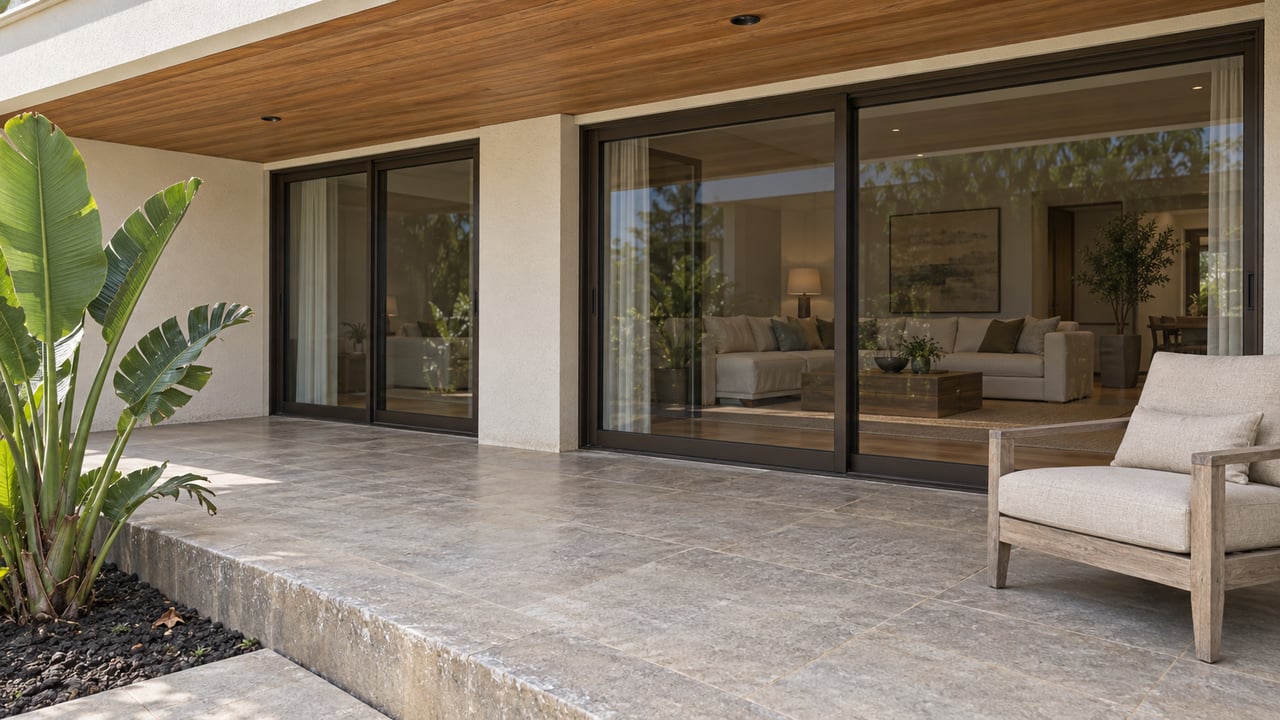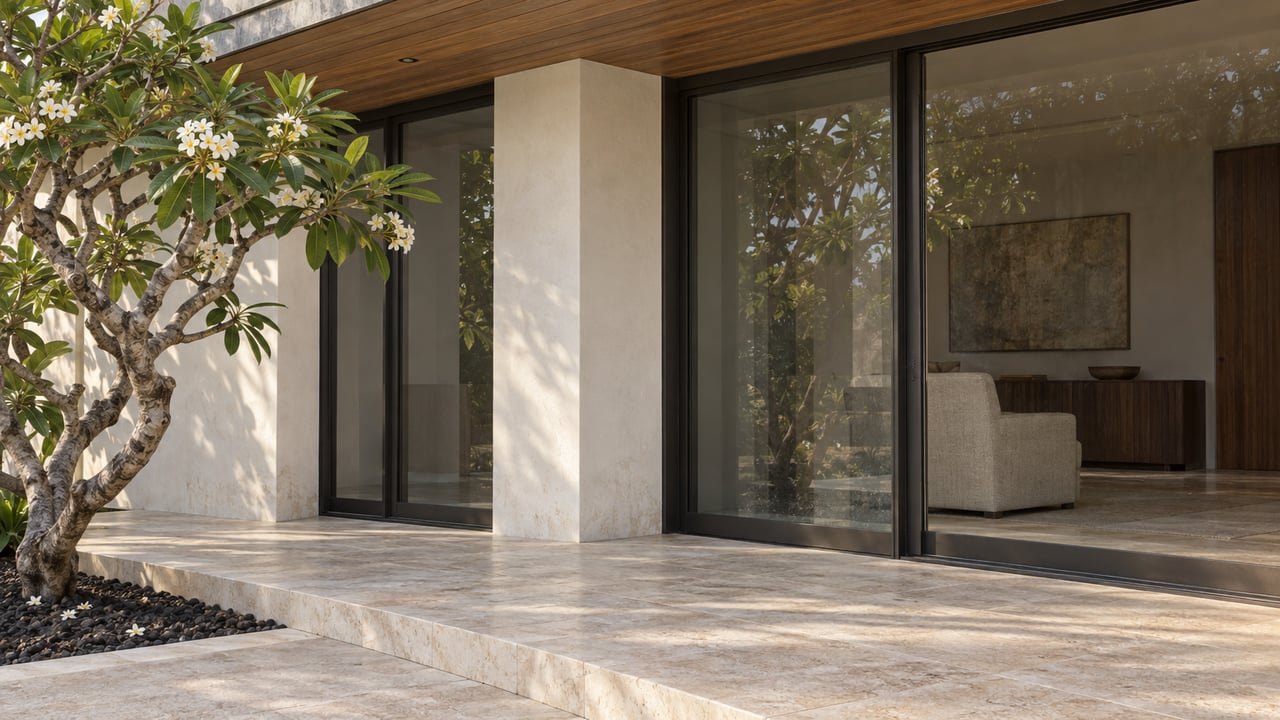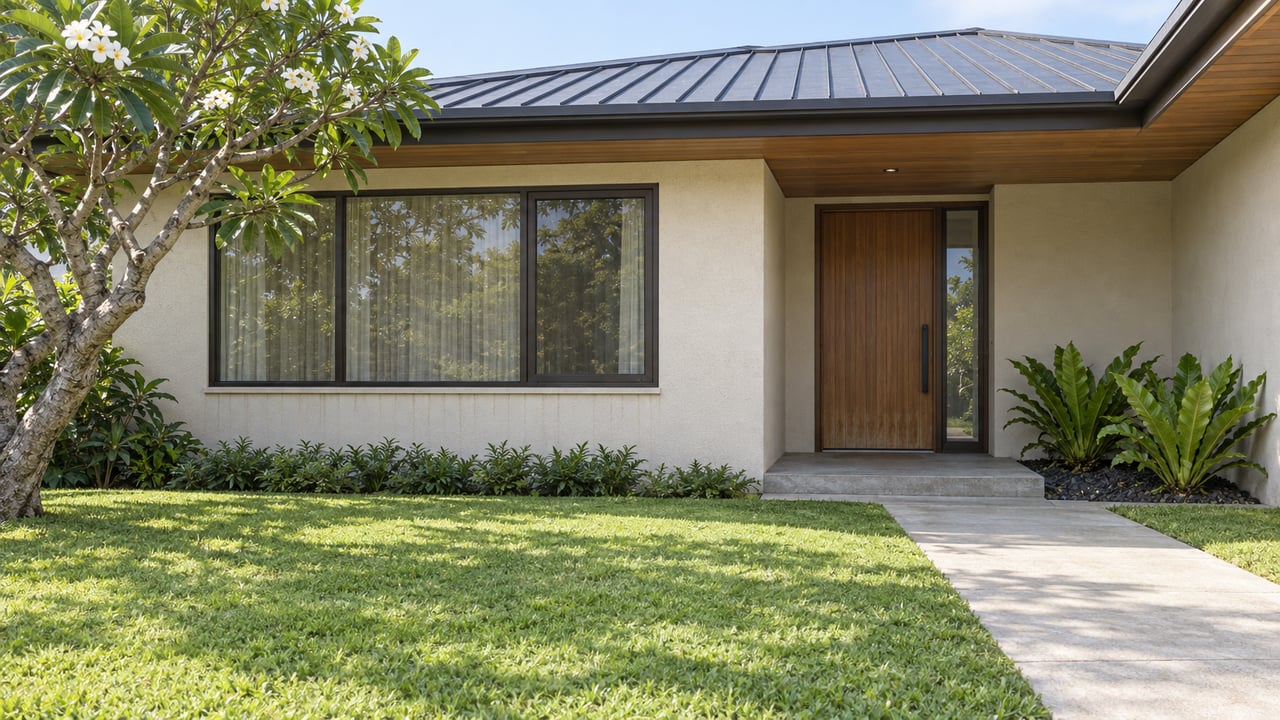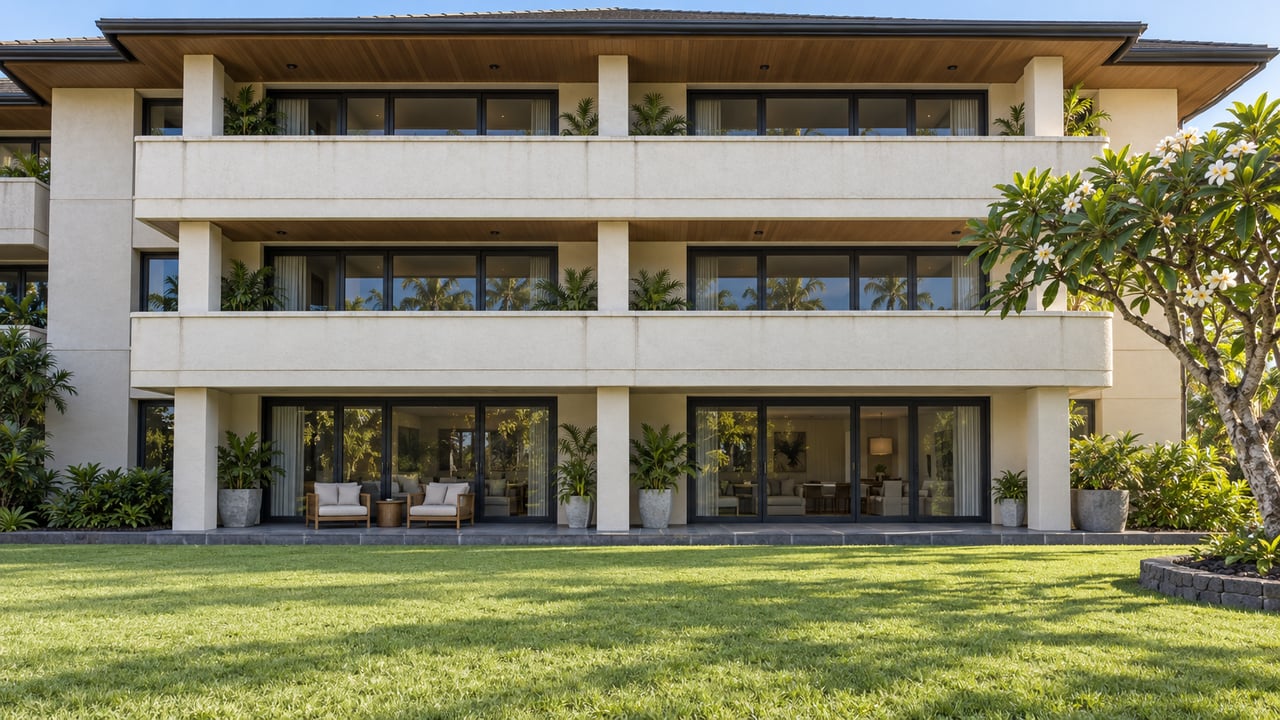
At The Palms at Wailea, Outrigger runs the front desk out of a unit it bought directly from the developer. It handles reservations, housekeeping and guest amenities from a furnished lobby, with a clubhouse above the pool. The association's board president gave that description to the Maui Planning Commission on September 22, 2026, according to the meeting transcript, and added that the property employs 18 people on site.
A buyer touring the complex sees the same front desk as a convenience. At the County, it is evidence. Whether Palms at Wailea, Wailea Ekahi and Wailea Ekolu keep vacation rentals after 2030 now depends on whether the County Council decides that desks, housekeepers and groundskeepers make a condo "hotel-like." The Planning Commission has already told the Council it has no objective way to judge that.
One resort, three zoning positions
Wailea condos used to fall into one easy category: resort condos you could rent nightly. Maui County's Ordinance 5909, adopted as Bill 9 on December 15, 2025, ends transient vacation rentals in apartment-zoned "Minatoya list" properties. The deadline is December 31, 2030 everywhere outside West Maui, so it covers Wailea. That splits the resort three ways.
| Complex | Zoning per County lists | Current proposal | Where it stands |
|---|---|---|---|
| Wailea Elua I and II, Wailea Point I–III, Wailea Beach Villas, Hoolei | Hotel or resort zoning | None needed | On the County's non-apartment short-term occupancy list |
| Wailea Ekahi I, II, III, Wailea Ekolu, The Palms at Wailea I | A-1 Apartment, with mixed zoning on parts of Ekahi I and III | Rezone to H-3 under Resolution 26-111 | Planning Commission recommended denial; Council decides |
| Wailea Grand Champions Villas | A-2 Apartment | Not named in Resolution 26-110 or 26-111 | Subject to the 2030 phase-out |
The Planning Department's September 22 memo says Wailea Ekahi I is mostly apartment-zoned, with a small Business Resort portion. Wailea Ekahi III is split roughly evenly between Hotel-1 and Apartment. The County's own short-term occupancy list says it is subject to error. In some Wailea buildings, two units under the same roof could end up on different sides of the line.
The middle row is nearly all vacation rentals today
The Planning Department's staff report counts how each complex's units are taxed now:
- Wailea Ekahi I: 100 of 101 units classed TVR-STRH, 1 owner-occupied
- Wailea Ekahi II: 90 of 91 units TVR-STRH, 1 owner-occupied
- Wailea Ekahi III: 98 of 104 units TVR-STRH, 4 owner-occupied, 2 long-term rentals
- Wailea Ekolu: 129 of 148 units TVR-STRH, 15 owner-occupied, 4 long-term rentals
- The Palms at Wailea I: 145 of 151 units TVR-STRH, 3 owner-occupied, 3 long-term rentals
Those counts cut both ways in the County's reasoning. They show buildings that already function as visitor lodging, and the owners pressed that point. Reading testimony from past president Lynn Peabody on behalf of Wailea Ekahi, Karen Marsh told commissioners, per the hearing transcript, that the change to H-3 "is not an upzoning or an expansion of use" and would maintain "an existing lawful use that is already occurring today." The Palms board president asked that the zoning "recognize the property's history, existing function, and its place within the Wailea Resort community."
The Department read the same figures another way. It noted that a small share of units in these properties are owner-occupied or long-term rentals, "therefore establishing that some units may be viable for long-term tenancy." It then left the Commission to decide which properties, if any, should qualify.
The test the Commission could not apply
Resolution 26-111 is built on one idea. Some apartment-zoned properties "operate like hotels," for example by providing front-desk services or employing groundskeepers and other staff, and so belong in a hotel designation. The Council's Housing and Land Use committee named property-wide laundry and housekeeping, 24-hour lobbies and front desks, and multiple staff as "hotel-like" operations, and said "one or more of these features may qualify a property."
On September 22 the Maui Planning Commission voted to recommend that the Council deny every property in that category except Hana Kai Maui in Hāna. That covers all five Wailea complexes. The reason, from the summary minutes:
"because of insufficient information and lack of objective standards to evaluate what is considered a hotel operation, including what constitutes a front desk, an on-site property manager, what extent of cleaning, landscaping and maintenance services, who employes them (outside contract or directly through property ownership), and length of time the objective standards were in place."
The motion passed with four commissioners in favor, two dissenting, one abstaining and one excused. Each question in that motion is one a buyer can ask: who employs the housekeepers, whether the desk is staffed by the association or a rental company, and how long the arrangement has been in place.
A "no" from the Commission has not been the last word
The Commission's recommendation is advisory. It goes back to the County Council, which makes the decision. The Council has handled this situation once before. When it created the H-3 and H-4 hotel districts through Bill 88, the Maui, Lānaʻi and Molokaʻi Planning Commissions all recommended disapproval in February, March and April 2026. As Honolulu Civil Beat reported, the Council approved the new zones anyway in a 7-2 vote. Bill 88 became Ordinance 6008 and took effect June 22, 2026.
Resolutions 26-110 and 26-111 now sit on the Housing and Land Use committee's item list as HLU-18b and HLU-19b. The Commission's 120-day review window runs to November 24, 2026. After that, the committee takes the resolutions up, and the full Council makes the final call. For the middle row of that table, the rental question is still undecided. The people deciding it have already overruled a unanimous set of planning commissions once.
What H-3 would hand an owner
Even a yes for Wailea would grant less than the word "hotel" suggests. Under Ordinance 6008, the H-3 and H-4 districts are reserved for properties formerly zoned A-1 and A-2. Vacation rentals are allowed there only under the same criteria that applied in the old apartment districts, "and no others." Height, setbacks, floor area and accessory uses stay the same as under apartment zoning. The Planning Department describes the effect as preserving "legacy use without expanding visitor accommodation."
So the rezoning gives no added development potential. It only decides whether nightly rentals continue after December 31, 2030. That makes the decision easier to value. You can set it beside what a unit earns as a vacation rental.
The rental math riding on the decision
AirROI, a short-term rental data firm, published a Bill 9 analysis on September 24, 2026 using South and West Maui Airbnb data from September 2025 through August 2026. It found that Minatoya-list condos booked at a median of roughly $370 a night, about a fifth below condos outside the phase-out. They filled more nights, 120 against 88, and annual gross revenue for both groups came in just over $50,000. These figures describe rental operations, not resale prices. They show that on the guest side, affected condos have been earning about as much as exempt ones. The difference between the two groups is their zoning, not their bookings.
The sales side is moving slowly overall. The Realtors Association of Maui's October 2026 report, current as of November 2, counted 76 Wailea/Makena condo sales from January through October 2026, against 66 in the same period of 2025. The median was $2,300,000, down from $2,487,500. Countywide, condos sold in October 2026 averaged 216 days on market, with 12.3 months of supply. The Wailea/Makena figures mix hotel-zoned and apartment-zoned sales, so they say nothing about either group alone. A market with a year's worth of supply does give a buyer time to ask zoning questions before signing.
Questions for a Wailea listing before you write an offer
- Which row is this unit in? Check the complex against both County short-term occupancy lists. Because the County warns its list can contain errors, confirm a specific unit's zoning with the Planning Department.
- For Ekahi I and III, which part of the parcel is the building on? Both complexes mix apartment zoning with Business Resort or Hotel-1.
- Who runs the front desk, and who employs the housekeeping and grounds staff? These are the Commission's own open questions, and the answers may shape how the Council judges a property.
- How long has that operation been in place? The Commission listed "length of time" as a standard it lacked.
- What does the association's file show? Wailea Ekahi, Wailea Ekolu and The Palms at Wailea I each submitted association materials to the Council. Ask the board for copies.
- Would the numbers still work as a second home or long-term rental after 2030? For a unit in the middle or bottom row, plan around that case.
For broader context, our guides to short-term rental rules on Maui and choosing the right Wailea condo community cover the earlier steps. Our Kāʻanapali zoning post follows the same Bill 9 line through West Maui, where the deadline comes two years sooner.
Frequently Asked Questions
Does the Planning Commission's vote end the H-3 effort for Wailea Ekahi, Ekolu and Palms at Wailea? No. The recommendation is advisory, and the County Council decides. The Council approved the H-3 and H-4 districts themselves after all three planning commissions recommended against them.
Is Wailea Grand Champions Villas part of the rezoning proposals? Grand Champions is on the County's apartment-district list as A-2. It is not named in Resolution 26-110 or 26-111.
Do hotel-zoned Wailea complexes like Wailea Elua or Wailea Point need to do anything? The County lists them as allowed for short-term occupancy because of their zoning, separate from the apartment-district Minatoya list.
When does the phase-out apply in Wailea? For apartment-zoned properties outside West Maui, Ordinance 5909 sets December 31, 2030.
This post is general information, not legal, tax or financial advice. Zoning, rental eligibility and investment returns depend on the specific unit, so confirm your situation with a land use attorney, tax advisor or lender before you act.
If you're weighing a Wailea condo while this decision is still open, I can help you sort out where a specific unit stands, from the County lists to the association's file to who actually runs the front desk. Reach out to Matt Talbot and we'll go through it together before you make an offer.