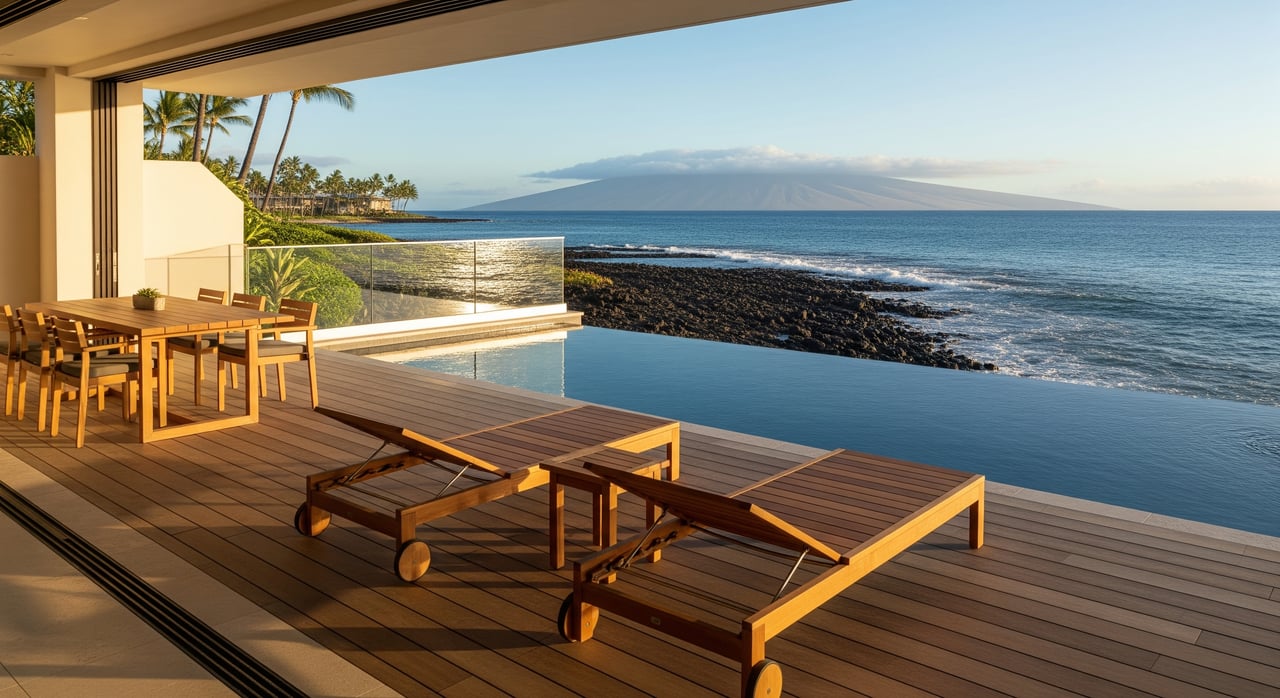
Is your heart set on Lahaina sunsets and the sound of the surf, but you are not sure whether oceanfront or ocean view is the better fit? You are not alone. Many buyers weigh the dream of direct sand access against the comfort, privacy, and budget of a hillside view. In this guide, you will learn what each term means in Lahaina, how view quality is created, the lifestyle trade-offs, and the key due diligence steps to protect your investment. Let’s dive in.
Quick definitions in Lahaina
Understanding how listings use these terms is your first step.
- Oceanfront: The property directly fronts the ocean with no private property between the parcel and the shoreline. Many oceanfront homes and condos in Lahaina orient primary spaces toward the water and may have direct access to sand or a rocky shoreline.
- Beachfront: Often used like oceanfront, but more precise when the frontage is a usable beach.
- Ocean view: The property has a visible line of sight to the ocean from the building or lot. Views range from panoramic to partial or distant, and can change by elevation, angle, and time of day.
There is no single national standard for these labels. Brokers and MLS rules vary, and local shoreline definitions matter. In Lahaina, shoreline certification, coastal hazards, and post-disaster rebuilding rules can all affect how a property is described or developed. Always confirm how a specific listing is categorized, and verify with surveys and official documents.
What drives the view and value
Line-of-sight factors
- Distance to shoreline: Closer often feels more dramatic and tends to command a premium. That said, an elevated home slightly inland can deliver a wider horizon than a low-lying oceanfront lot.
- Elevation and angle: Hillside properties commonly achieve expansive, sometimes panoramic, ocean views. Oceanfront at low elevation brings the ocean experience close, with surf and shoreline in the foreground.
- Obstructions: Buildings, mature trees, topography, and infrastructure can reduce view quality. New construction can change views over time, so document sightlines during showings.
- Orientation and time of day: West-facing Lahaina properties are prized for sunsets. Coastline curvature and reflections also shape the experience.
Setbacks and shoreline certification
Hawaii and Maui County use certified shorelines and setback lines to determine how close structures can be to the water and what is allowed for construction or rebuilding. These lines can move over time with erosion or accretion. Special Management Area rules and coastal permits influence development rights, repairs, and disclosures. After major events, such as the 2023 Lahaina fire, temporary or permanent updates to codes and permitting can occur. Check current county notices, and review surveys and permits before you write an offer.
Coastal hazards and long-term risks
- Erosion and beach loss: Shorelines can retreat, reducing usable beachfront and changing a property’s status over time.
- Sea level rise and inundation: Long-term hazard projections inform vulnerability and resiliency planning.
- Storm surge, wave runup, and tsunamis: These risks can drive insurance costs and limit development or occupancy in certain zones.
- Marine environment wear: Salt, wind, and moisture accelerate corrosion and maintenance, especially on oceanfront structures.
Price premiums and market drivers
- Supply and demand: True oceanfront is scarce in Lahaina and often commands a strong premium. Ocean view inventory is broader, especially in hillside areas, which can offer a wider budget range.
- Usability and access: Direct beach access and high-quality sand frontage typically increase value compared to a view without access. Public beach easements and overall beach quality matter to buyers.
- Rental potential and restrictions: Lahaina has a history of strong short-term rental demand, though rules and policies can change and affect returns. If income matters, review current rental regulations and HOA policies.
- Insurance and financing: Oceanfront can carry higher insurance costs and stricter underwriting. Factor this into total cost of ownership.
Oceanfront lifestyle in Lahaina
What you will love
- Direct connection to the ocean: Step outside for swimming, surfing, fishing, or simply lounging by the water.
- Immersive sights and sounds: Many rooms capture the ocean’s rhythm and Lahaina’s signature sunset views.
- Prestige and resale appeal: True oceanfront is limited, which supports long-term desirability.
What to consider
- Higher costs: Expect larger budgets for acquisition, insurance, and ongoing maintenance. HOAs for coastal buildings may plan for seawalls or shoreline work.
- Hazard exposure: Flood, storm, and erosion risks can impact rebuilding options and lead times for permits.
- Activity and privacy: Popular beaches and corridors can bring seasonal crowds and foot traffic. Historic or denser areas may have tighter parking and access.
Ocean view lifestyle in Lahaina
What you will love
- Value for the view: Often lower cost than oceanfront for similar visual impact, especially in elevated settings.
- Privacy and calm: Many hillside homes enjoy quieter surroundings and broad horizons.
- Lower exposure: Less direct impact from wave action and salt spray can reduce maintenance.
What to consider
- No direct beach access: Plan extra time to reach the shoreline. For some, this changes the daily rhythm.
- View stability: Future development or vegetation growth can affect sightlines unless protected by easements or zoning.
- Access and distance: Elevated neighborhoods can have steeper roads and may sit farther from in-town services.
Lahaina’s post-2023 context
Rebuilding and infrastructure restoration are reshaping parts of Lahaina. Policies on land use, insurance, and short-term rentals can evolve as the community recovers. If you are timing a purchase, include room in your plan to confirm current rules, timelines, and any temporary regulations that affect coastal or hillside properties. Sensitivity to cultural and historical significance is also part of responsible ownership in Lahaina.
What to verify before you offer
Essential documents and data
- Certified shoreline map, boundary survey, and any recorded public or beach access easements.
- Elevation of the primary structure and distance from the certified shoreline.
- FEMA flood zone designation and any local coastal floodplain data.
- Special Management Area and shoreline permits, plus any recorded conditions for repairs or rebuilding.
- Title review for erosion or coastal encroachment notices.
- Insurance quotes for flood, wind, and coastal coverage before finalizing an offer. Ask specialized Hawaii coastal brokers for comparisons.
- If income matters: HOA rental rules, permit status, and tax compliance records.
Physical inspection priorities
- Structural integrity in a marine environment, including corrosion, wood rot, salt intrusion, and foundation health.
- Evidence of erosion, scour, retaining walls, or seawalls, along with permits and current condition.
- Access and parking, including public access paths near oceanfront parcels.
- View lines from main living areas at different times of day. Photograph and note any partial obstructions.
Contract and negotiation tips
- Define the view: If a view is essential, attach photos or a video exhibit to the contract that documents the sightlines, and specify any expectation such as “unobstructed ocean view” in clear terms.
- Survey contingency: Include time to verify the certified shoreline and boundaries.
- Insurance contingency: Allow for cancellation or price adjustment if insurance is unavailable or unaffordable.
- Rebuild rights: Clarify what is permissible if the property lies within shoreline setbacks or a Special Management Area.
Objective facts to request or show
- Distance to the shoreline in feet.
- Elevation of the structure above sea level.
- Shoreline type: sandy beach, rocky coast, or bluff.
- Legal beach access or public easements, if any.
- Flood zone designations and whether a shoreline setback line is recorded.
- Any active coastal hazard notices or pending shoreline certification issues.
Which is right for you
If you want a front-row seat to Lahaina’s ocean drama and you plan to maximize daily time in the water, oceanfront can be the unmatched experience. Just be ready for higher costs and diligent risk management.
If you value broad horizons, privacy, and more choice across price points, ocean view can deliver the wow factor without the responsibilities of the shoreline. Elevated homes and condos often balance beauty, comfort, and budget.
If rental income is part of your plan, weigh how proximity, beach quality, and building rules affect occupancy and revenue. Policies can change, so confirm the current landscape before you underwrite a purchase.
How to search smarter
- Set up separate saved searches for oceanfront and ocean view. For oceanfront, include keywords like “fronting ocean” and “beachfront.” For ocean view, try “unobstructed” or “panoramic” filters when available.
- Use map tools to focus on Lahaina shoreline parcels for oceanfront, and a broader polygon for hillside and makai slopes for ocean view.
- Sort by price per square foot, distance to shoreline when available, and HOA fees. Note flood zones and elevation where the data is shown.
- When you shortlist homes, schedule in-person or live-video tours to confirm lines of sight at different times of day and to assess any potential obstructions.
Work with a concierge-style local guide
Choosing between oceanfront and ocean view in Lahaina is about matching your lifestyle to the right property and protecting your investment with careful due diligence. From shoreline surveys and flood zones to HOA rental policies and insurance quotes, you deserve a navigator who handles details and keeps the process smooth and enjoyable.
If you would like tailored guidance, reach out to Matt Talbot. Matt combines marine and hospitality experience with boutique, white-glove representation for West Maui buyers and sellers. He will help you compare options, verify critical facts, and move forward with confidence.
FAQs
How much more does oceanfront cost in Lahaina compared to ocean view
- There is no fixed percentage. Oceanfront typically commands a substantial premium because of scarcity and direct access, but the gap varies by property type, location, elevation, and condition.
Can I protect my ocean view from future construction in Lahaina
- Not generally, unless a recorded view easement or height-limiting covenant exists. Zoning can limit some development, but private view loss is a common risk.
How do I confirm that a Lahaina property is truly oceanfront
- Request a certified shoreline map, recorded plat, and a recent survey showing property lines relative to the shoreline, and verify any public access or beach easements.
Will insurance cost more for oceanfront properties in Lahaina
- Often yes. Flood, wind, and wave-related exposures can raise premiums and affect underwriting. Get quotes early and compare options with a coastal-focused broker.
Are oceanfront homes in Lahaina at greater long-term climate risk
- Yes. Erosion, higher storm surge, and sea level rise increase long-term exposure. Use hazard maps and local guidance to evaluate vulnerability and plan mitigation.