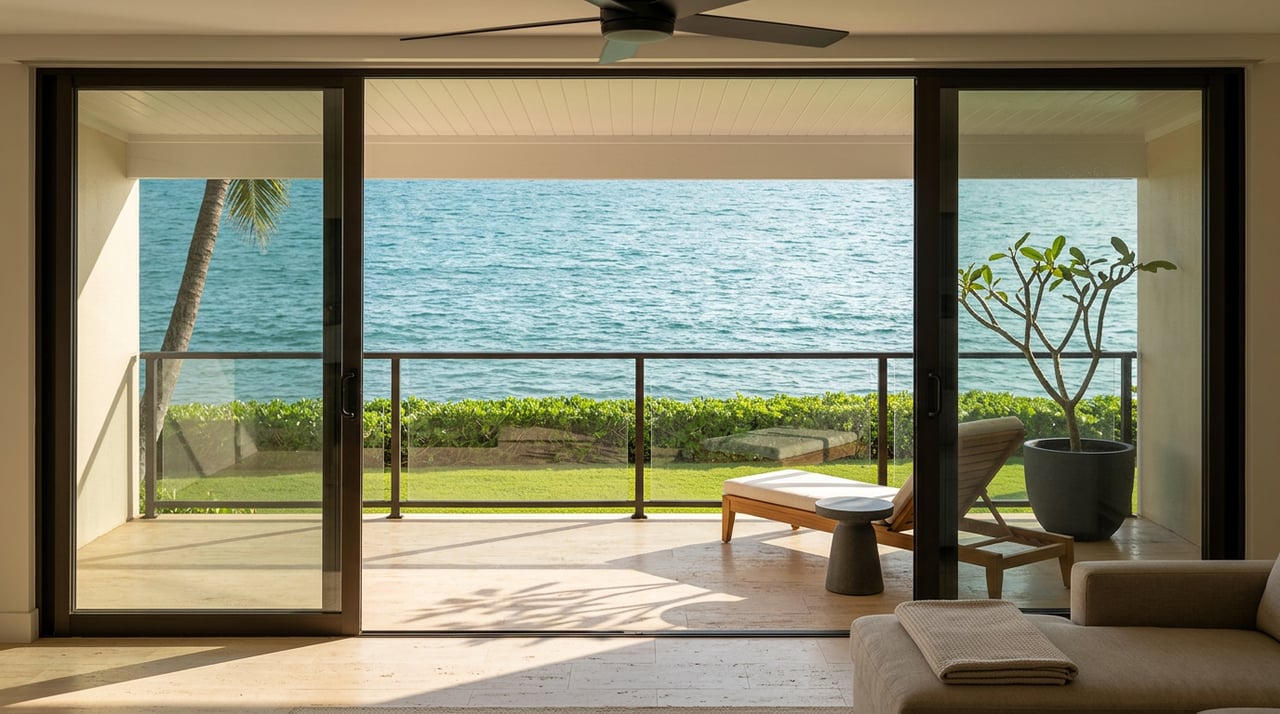
Imagine waking up to the sound of shorebreak and stepping onto your lanai to watch turtles and sunset sails drift by. Now imagine that same oceanfront condo also helping offset its costs when you are not on island. If you are eyeing Lahaina for both lifestyle and potential income, you are wise to pause on the details that make or break returns. This guide gives you a clear, practical path through zoning rules, ownership costs, post‑wildfire realities, and a step‑by‑step due diligence plan so you can buy with confidence. Let’s dive in.
Why Lahaina oceanfront still appeals
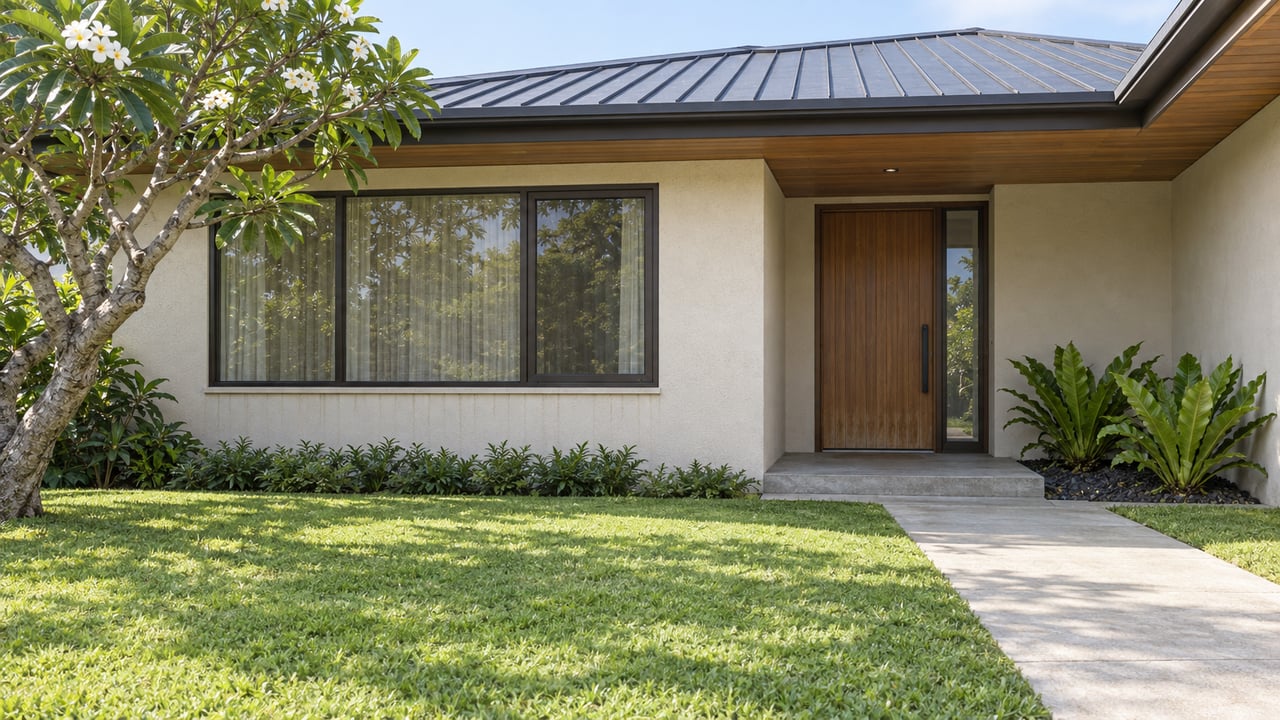
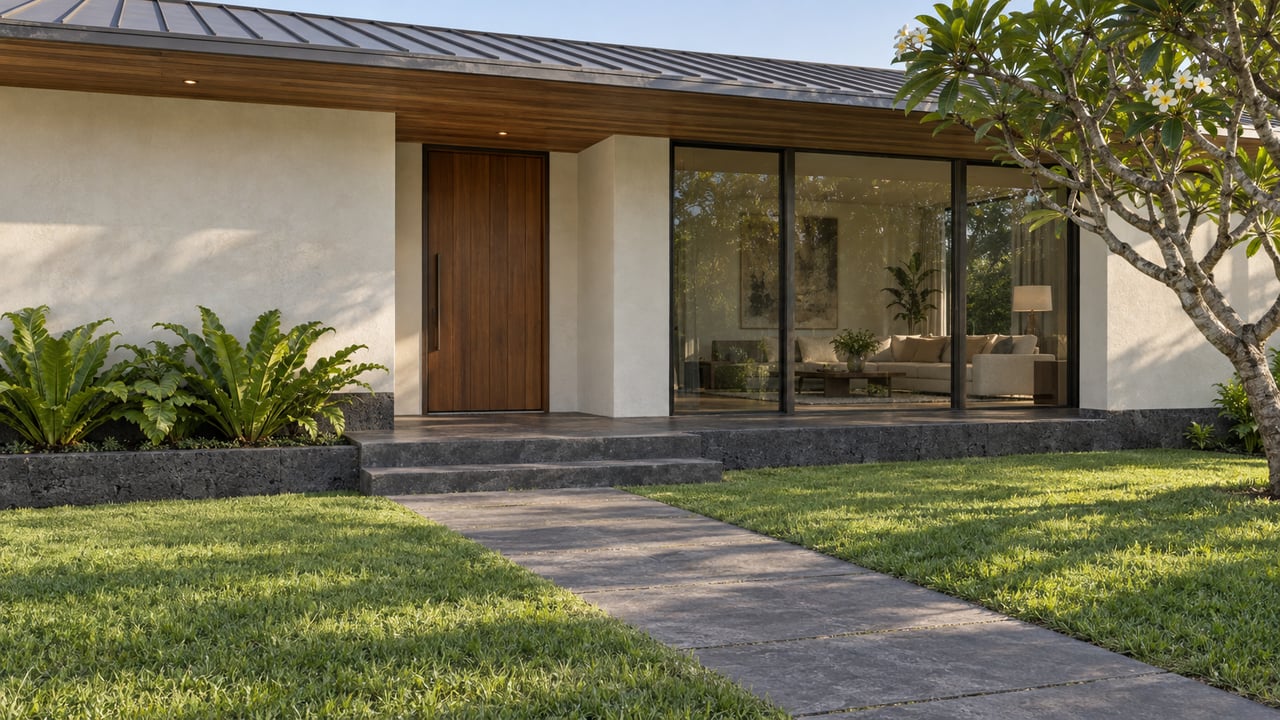
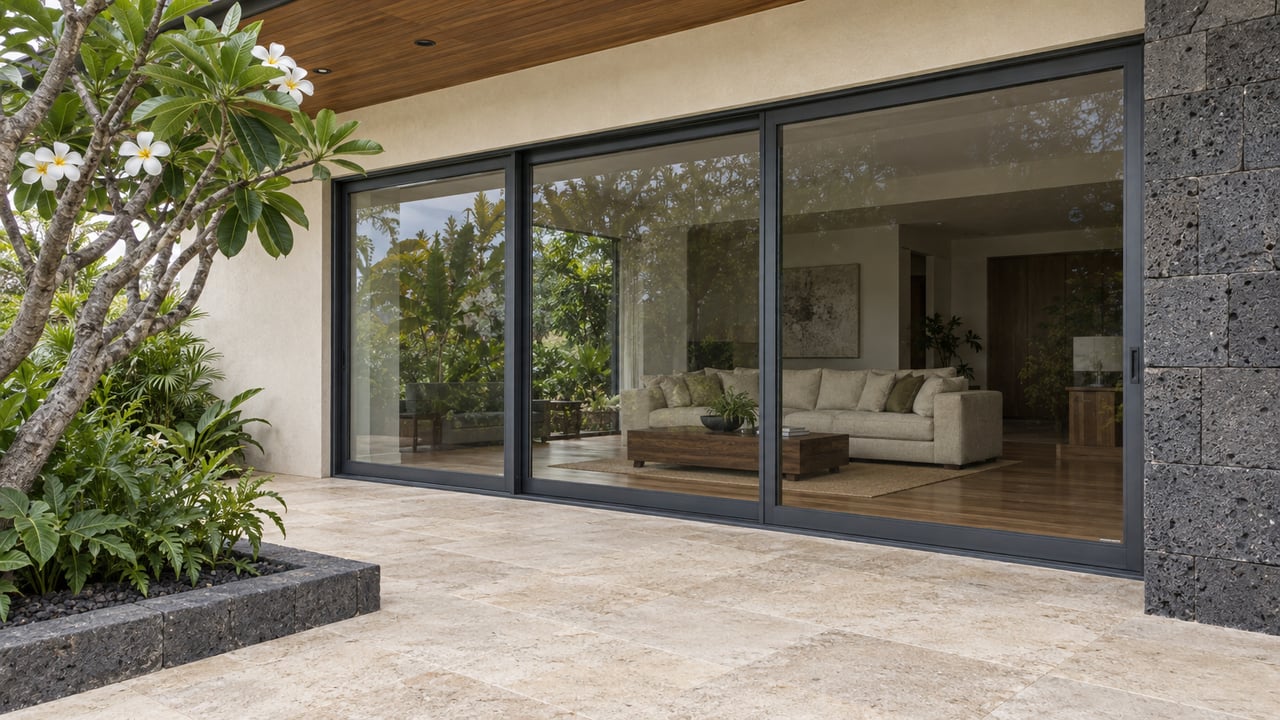
Lahaina offers a front‑row seat to Maui’s coastline, walkable dining and harbor access, and that classic palm‑lined pool scene. Oceanfront condos here typically feature direct beach access, oceanview lanais, pools and hot tubs, BBQ areas, and in‑unit kitchens that make longer stays simple. Current West Maui listings confirm these amenities are the market norm, which is why these properties attract both owners and visitors. You can see representative features and maintenance fee examples in a recent Lahaina listing that highlights oceanfront living and building services.
- Reference: see amenities and HOA fee context in this representative Lahaina oceanfront condo listing.
At the same time, Lahaina is still recovering from the August 2023 wildfire. Early damage assessments estimated about 2,200 structures were damaged or destroyed, which continues to influence permitting, insurance pricing, and the pace of rebuild. The County and recovery partners maintain resources to support debris removal and permitting, and they publish ongoing updates for owners and contractors. You can track relief and permitting guidance through the County’s Maui Recovers updates.
Income potential starts with zoning
Before you model rental income, confirm how the county classifies the property. Maui’s new Ordinance No. 5909, commonly called Bill 9, phases out transient vacation rental use in apartment‑zoned buildings that were historically allowed to rent short term under the so‑called Minatoya interpretation. In West Maui, the amortization period ends December 31, 2028, and visitor rental use must cease January 1, 2029, unless rezoning or other legal relief is secured. The full amortization schedule and requirements appear in the official Ordinance 5909 text.
Resort and hotel zoned properties
If a condo sits in resort or hotel zoning, short‑term visitor use generally remains allowable under Ordinance 5909. These properties often run with front‑desk services, on‑site rental programs, and hotel‑style amenities. They tend to have more predictable rental operations but can carry higher HOA fees due to staffing and services. Even so, always verify zoning with your agent and confirm the association’s written rental policies.
Apartment zoned and the Minatoya list
Many older beachfront buildings are apartment zoned and historically operated as vacation rentals under the Minatoya interpretation. Those rights are now time‑limited in West Maui through 2028 under Ordinance 5909. Buyers should check whether the parcel appears on the county’s apartment‑district TVR list, often called the Minatoya list, which the county has published in reports over time. Start with the county’s background report that discusses the Minatoya list and affected properties, then confirm the specific TMK with County and association records.
Other permit pathways
Maui authorizes additional permit frameworks for rentals such as Short‑Term Rental Homes and Bed & Breakfast Homes, each with application steps and community caps. Not all condo properties qualify, and rules vary by community plan area. If a building is not hotel or resort zoned, do not assume you can simply add a permit. Review the Planning Department’s Short‑Term Rental Home information and confirm feasibility for the exact parcel before you underwrite income.
What to budget beyond your mortgage
Your monthly and annual costs can swing returns more than you expect. Build a conservative budget with these core line items, then test sensitivities for insurance and assessments.
- HOA or maintenance fees. West Maui oceanfront properties often run from roughly 700 to 3,000 dollars per month or more, depending on building scale, included utilities, and amenities. Fees can change and special assessments do occur, so use the most recent budget and minutes. The representative Lahaina listing above illustrates how fees are presented on current listings.
- Property tax class. Maui County taxes by class, such as owner‑occupied, non‑owner‑occupied, short‑term rental, or hotel. Your class and tier will materially change your bill, and the owner‑occupied exemption applies only to primary residences. Review the County’s FAQ resources and confirm the current class on county records.
- Insurance. Associations carry a master policy, and owners carry an HO‑6 policy for interiors and contents. Post‑wildfire, master‑policy premiums have risen sharply in some buildings, and a few associations have faced large increases or special assessments. For context on market conditions, see this overview of Hawaii’s condo insurance challenges, then request your building’s recent premium history.
- Rental operations. If you plan to rent, model management commissions, housekeeping per turnover, platform fees, credit card fees, utilities, supplies, and local on‑island support.
Taxes on rental activity
Hawaii taxes short stays at the state and county level, and receipts are also subject to general excise tax. Build these into your nightly rate strategy and owner net projections.
- State Transient Accommodations Tax. The TAT is traditionally 10.25 percent. Legislation created a climate “Green Fee” that increases the statewide TAT by 0.75 percent beginning January 1, 2026, bringing the TAT to 11 percent. See the Department of Taxation’s current Tax Facts guidance.
- County Transient Accommodations Tax. Maui County also levies a county lodging tax, commonly 3 percent, paid in addition to the state TAT. Confirm the rate and process in the County’s FAQ resources.
- General Excise Tax. Lodging receipts are subject to GET, reported through the State’s combined filing process. The same Tax Facts guide outlines registration and filing basics.
Post‑wildfire realities for buyers
Rebuild work in Lahaina is active but complex. Multi‑agency permitting, historic district review, debris management, and disaster programs can affect timelines for capital projects and insurance claims. Before you buy, verify whether a building had any fire‑related damage, what permits were pulled, and whether inspections are closed. The County’s Maui Recovers updates are a good starting point for official notices and permit center information.
Insurance is another key variable. Some associations have seen significant policy premium increases, and a few have adjusted deductibles or coverage to manage costs. Ask for three years of master policy declarations, premiums, and renewal status, as well as the latest reserve study and any pending or recent special assessments. Strong reserves and transparent planning reduce risk.
Your due‑diligence roadmap
Use this checklist to evaluate any Lahaina oceanfront condo for combined personal enjoyment and potential income. Ask for documents in writing and confirm with association and county records.
Documents to request
- CC&Rs, bylaws, and house rules. Look for minimum stays, owner‑use rules, on‑site contact requirements, and any limits on check‑in or front‑desk services.
- AOAO budgets, audited financials, reserve study, and recent reserve draws. Low reserves plus rising insurance costs can signal future assessments.
- Master insurance policy declarations and three years of premium history, plus confirmation of renewal. Context: market conditions are outlined in this insurance overview.
- HOA meeting minutes for the last 12 to 24 months. Scan for capital projects, litigation, policy changes, or proposed rental restrictions.
- Rental performance. If represented as a rental, request a 12‑month income statement showing occupancy, ADR, gross and net to owner, platform fees, and management commissions.
- Fire and permit status. Ask for evidence of any post‑fire repairs, permits pulled, and final inspections, then verify with county permit records and Maui Recovers updates.
- Zoning and Minatoya status. Confirm whether the TMK appears on the county’s apartment‑district TVR list and whether the owner received ordinance notices. See Ordinance 5909 and the county’s background report on the Minatoya list.
Questions for managers and associations
- Are all tax registrations current for TAT, MCTAT, and GET, and what numbers appear in ads as required by Ordinance 5909?
- Who handles on‑island response, guest support, and compliance with house rules, and what are the average housekeeping and management fees?
- What are the building’s minimum stay rules, fines, and enforcement practices, and are any policy changes pending owner vote?
- Are there pending or threatened lawsuits or known capital projects that could lead to future assessments?
Coastal risk check
Oceanfront ownership comes with exposure to erosion and wave‑driven flooding. Before you finalize, map the property in the state’s sea level rise viewer to understand coastal hazards and long‑term resilience planning. Start with the West Maui layers in the PacIOOS sea level rise viewer.
Lahaina vs nearby West Maui options
Kāʻanapali and Kapalua
These resort destinations often feature larger, resort‑zoned complexes with full‑service amenities. Hotel or resort zoning typically offers more certainty for visitor stays under current rules. Nightly rates can be higher, and HOA costs may reflect the expanded service model. If your priority is resilient rental use and full amenities, this lane can be attractive.
Napili, Honokōwai, and Māʻalaea
These areas include smaller clusters of condos and a more residential feel in some pockets. Zoning varies by property, and some buildings fall within apartment districts. Demand patterns differ from major resorts, so verify actual manager statements for occupancy and ADR, not scraped platform data. If your priority is lifestyle first and simpler operations, a long‑term rental model or owner‑occupied use may fit better.
Match your lifestyle to your numbers
A clear plan keeps emotions and spreadsheets aligned.
- Define primary use. Decide if this is a personal retreat that occasionally rents, or an income‑oriented asset that you will visit a few weeks per year.
- Choose zoning for your goal. Favor hotel or resort zoning if you need durable short‑term rental use under current policy. If you are exploring apartment‑zoned buildings, model timelines with the 2028 West Maui deadline in mind.
- Underwrite conservatively. Use actual manager statements, add buffers for insurance and assessments, and include all taxes and fees. Confirm your Maui County property tax class before closing.
- Validate building health. Review reserves, premiums, and capital plans. Read HOA minutes and talk with the property manager about operations and compliance.
- Plan for compliance. Register for TAT, MCTAT, and GET, display required numbers in ads per Ordinance 5909, and set a calendar for filings.
If you want a captain’s eye on coastal living with the hospitality lens that successful rentals require, let’s talk through options that fit both your lifestyle and returns. For tailored guidance and access to current listings, connect with Matt Talbot.
FAQs
What are Lahaina’s new short‑term rental deadlines under Bill 9?
- In West Maui, apartment‑district transient vacation rentals must cease by January 1, 2029 after the amortization period that ends December 31, 2028, per Ordinance 5909.
How do Hawaii lodging taxes apply to my Lahaina condo income?
- Short stays are subject to state TAT (rising to 11 percent on January 1, 2026), Maui County’s MCTAT, and GET on receipts, as outlined in the state’s Tax Facts guide and county FAQ resources.
What amenities do oceanfront Lahaina condos typically offer?
- Expect oceanview lanais, pools and hot tubs, BBQ areas, in‑unit kitchens, and often beach access, as shown in this representative listing’s features.
How did the 2023 Lahaina wildfire affect condo ownership?
- The disaster damaged or destroyed about 2,200 structures and has influenced permitting and insurance; track official recovery notices through Maui Recovers updates before you buy.
How can I check if a Lahaina condo can rent short term?
- Confirm zoning, then check if the TMK is on the apartment‑district TVR, or Minatoya, list and review Ordinance 5909 for timelines, using the county’s background report as a reference.
What should I ask an HOA before buying in Lahaina?
- Request CC&Rs, house rules, recent budgets and financials, reserve studies, meeting minutes, three years of insurance declarations and premiums, and any pending assessments or litigation.
How do I evaluate coastal risk for an oceanfront condo?
- Map the property in the PacIOOS sea level rise viewer to understand erosion and wave‑driven flooding exposure, then incorporate that into your long‑term plan.